
Skip to content
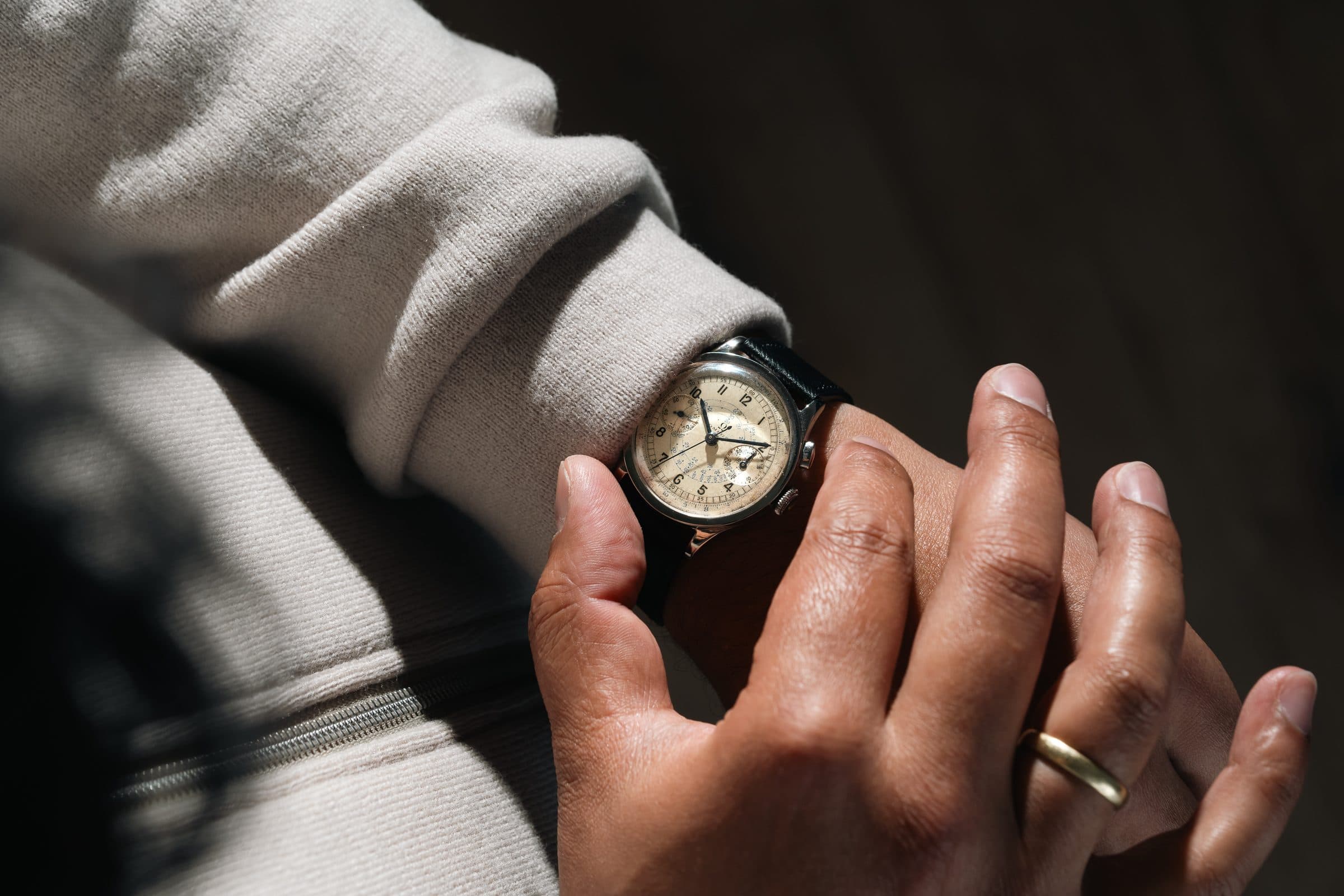
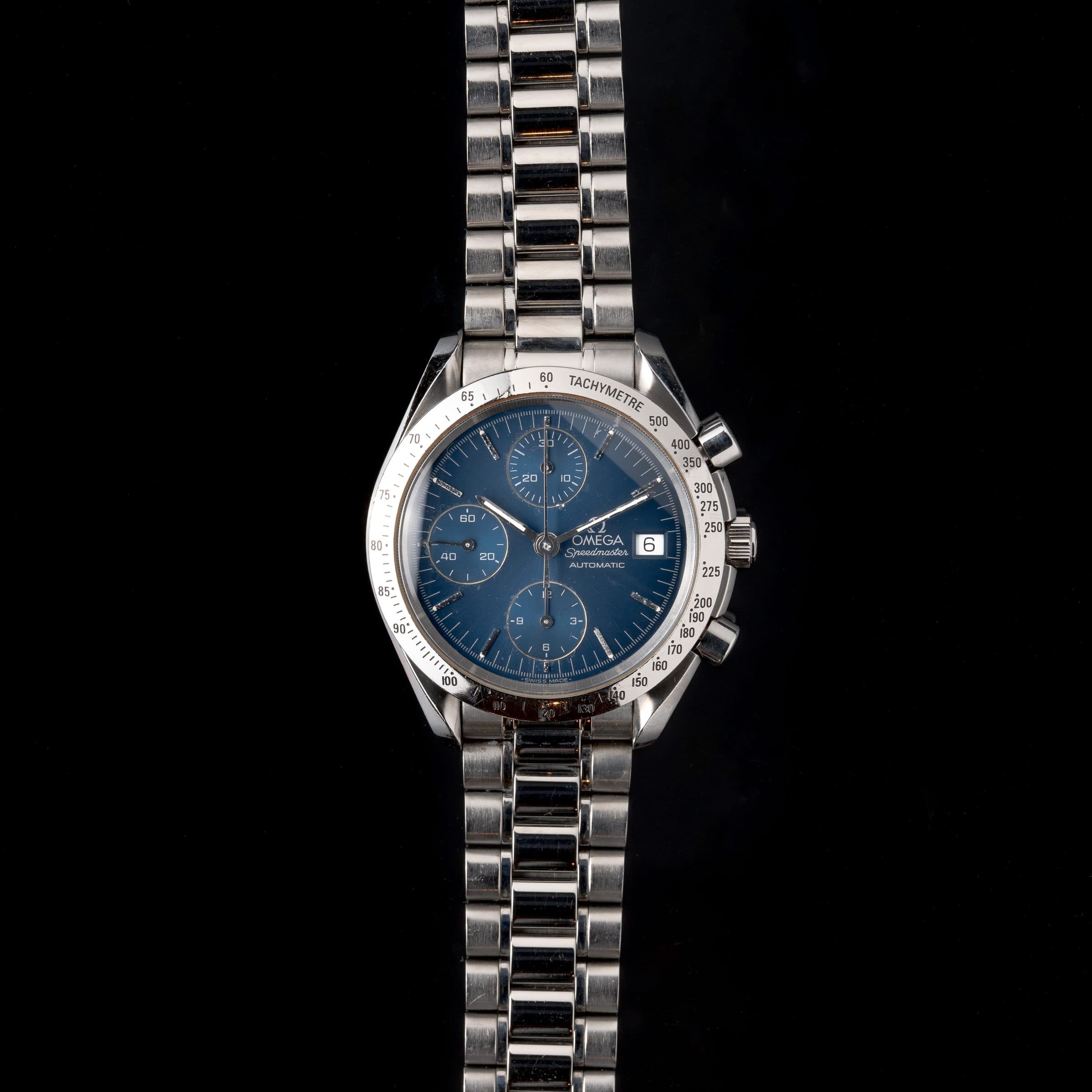
An Omega chronograph with a panda dial

The Omega Experience

From a small workshop in La Chaux-de-Fonds to the surface of the Moon. A short history of Omega, and what it means for collecting today.

HistoryBy [Author][n] min read

Few watchmakers have a history as public as Omega's. Its watches timed the Olympic Games, went to sea with divers and were worn on the Moon. For collectors, that history is written into every dial, caseback and calibre.

It began in 1848, when Louis Brandt started assembling pocket watches in La Chaux-de-Fonds. His sons moved the company to Biel in 1880 and, in 1894, launched a movement so successful that its name, Omega, became the name of the company itself in 1903.
Timeline

1848
Louis Brandt starts assembling pocket watches in La Chaux-de-Fonds.
1880
His sons move the company to Biel, where Omega is still based.
1894
The Omega calibre is launched and becomes a lasting success.
1903
The company takes the name of its best-known movement: Omega.
1932
Official timekeeper at the Olympic Games in Los Angeles.
1948
The Seamaster arrives in the company’s hundredth year.
1952
The Constellation is introduced as Omega’s chronometer line.
1957
Speedmaster, Seamaster 300 and Railmaster launch together.
1965
NASA qualifies the Speedmaster for its crewed missions.
1969
Apollo 11. The Speedmaster is worn on the Moon.
1970
The Apollo 13 crew uses a Speedmaster to time a critical engine burn.
A vintage Speedmaster held in two hands
“[A short quote from Stan or the team on why vintage Omega matters.]”
[Name], Vintage Masters

The families

The lines you will meet most often in vintage Omega

Collecting vintage Omega today

Four things we look at on every Omega that comes in. Worth checking on any watch you consider.

  1. 1

    Dial and hands

    Original and matching, with lume that has aged together. Refinished dials are worth far less to collectors.

  2. 2

    Caseback and reference

    The reference inside the caseback should match the case, dial and calibre of that period.

  3. 3

    The calibre

    Check the movement serial against the production period, and ask about the last service.

  4. 4

    Papers or an archive extract

    Omega can issue an extract from its archives confirming production and delivery. It adds certainty, and value.